
• About Community Research
    • Our People
    • Researcher Stories
    • Supporters
    • What Difference Does Community Research Make?
    • Membership
    • Kuhu mai
  • Resources
    • Code of Practice
    • Directory of Researchers
    • What Works
    • Awards and Seminars
      • Te Anga Mua Seminar 2012
      • New and Emerging Researchers Awards
    • List yourself in the Researchers Directory
    • Create a Collection
  • Research
    • Browse All Research
    • Share Research
    • Featured Collections
      • RBA™ Webinars and Resources
      • The Importance of New Zealand Non-Profits
      • Learning from Christchurch
      • Collective Impact for NGOs and iwi/Māori organisations.
      • ANZTSR Third Sector Research 2014
      • The Social and Economic Impact of Sports
    • RSS Feeds
  • Webinars
    • Past Webinars
      • Treaty Voyages – How’s Your Organisation Faring?
      • Co-design and Community Development: Kōrero and Insights from Māori Co-designers
      • Great data collection, and making sense of your data with RBA™
      • The Community Sector & Collection of Client Level Data
      • Organisational Outcomes and Meaningful Measures
      • RBA™ – The art of ‘Mapping & Gapping’, population, systems & services
      • Strengthening Whānau Aspirations
      • Ngā Hua a Tāne Rore: The Benefits of Kapa Haka
      • Outcomes Plus: Knowing and Showing the ‘added Value’ of  Community
      • Complex Projects, Short Stories
      • A Vision for Indigenous Evaluation
      • Counting What Matters: The size and significance of the New Zealand not-for-profit sector
      • How to amaze your funders with watertight evidence
      • Putting learning into practice webinar
      • Collective Impact: Getting to shared measurement webinar – 18 February 2014
    • New to YouTube live?
  • Whānau Ora Research
  • What Works
  • Contact Us

Community Research

The place to find good community research and researchers in New Zealand

Ko te hōkai nuku
Ko te hōkai rangi
Ko te hōkai a tō tupuna a Tānenuiarangi

Our Whakataukī Explained Here
  • Home
  • Share Research
  • Find Researcher
  • Browse Research
  • Facebook
  • YouTube
  • Twitter
You are here: Home / News / People Behind the Research – Rawiri Blundell

People Behind the Research – Rawiri Blundell

1 March 2013 By Community Research Admin Leave a Comment

“The recognition of the rights of Māori as the indigenous people must take preference in any community research, especially with the number of global influences that can undermine Kaupapa Māori practices.”

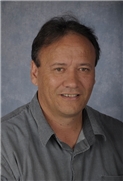
Erena Kara, (Ngapuhi) Project Manager at Te Hau Ora o Kaikohe, spoke to community researcher Rawiri Blundell (Ngati Porou), Equity Manager Midland Cancer Network.

Career path – how you got to here?
I wonder sometimes whether it’s been by choice, or by some unforeseen force which has influenced how I’ve ended up here.  I look back in my career in health and realise there’s certainly been a combination of circumstances, influences, and decisions made, that have contributed to my working in the health arena.  Research has been a part of that career path and that we as Māori working in the system can make positive change for our whānau.

Can you tell us what’s on your mind at the moment, and is there a whakatauki that sums this up?
A few years ago, I was involved in a three-year research project in Waikato where approximately 5,300 Māori participants were screened for diabetes (Te Wai O Rona Diabetes Prevention Strategy) There were some significant intervention and prevention strategies developed together with Māori through that research but there were also some major headaches.

I realised at the end of that research project that there were a lot of papers being published from a tauiwi perspective and decided a paper from a Māori perspective was needed.  This was the first time I had ever been involved in a research project, and believe you me, it was definitely a learning curve.  I’m always mindful of this whakatauki.

       Kua whakarewa, ake, te kaupapa hei awhina te iwi.
      Kua whakarewa te iwi, hei awhina, kē, tō ratou ake kaupapa.
Has the purpose served the people or have the people served their purpose?
                                                                          Rawiri Blundell.

Your favourite piece of research?
I always enjoy reading research from Māori researchers.  I find it interesting what we as Māori perceive as the “norm” and it’s a whole new experience for others.  I enjoyed reading “How Tikanga guides and protects the research process: Insights from the Hauora Tane project.”  [See here]

Tell me about a challenge you’ve been grappling with?
I think there’s always a challenge for us as Māori working in the “system”.  We have made some progress in some areas but there are still huge inequalities experienced by our whānau in health, education, and housing.  Research can contribute to positive changes within our communities; it’s about ensuring Māori realities such as mātauranga, te reo, me ona tikanga has the same validity as the non Māori counterparts.

 Why do you do community research?
From my perspective, my involvement with community research has always been about ensuring there’s a Māori voice in there.  The recognition of the rights of Māori as the indigenous people must take preference in any community research, especially with the number of global influences that can undermine Kaupapa Māori practices.

Filed Under: News Tagged With: News

Leave a Reply Cancel reply

Your email address will not be published. Required fields are marked *

Follow us on Facebook

Sign-up for enews

First name:
Last name:
Email:
  • Who Are We:
  • About Community Research
  • Our People
  • Supporters
  • Researcher Stories
  • About Community Research
  • What We Do:
  • Kuhu mai
  • Special Collections
  • Events
  • How Can We Help:
  • Find a Researcher
  • List yourself in the Researchers Directory
  • Find Research:
  • Latest
  • RSS Feeds
  • News
  • Contribute:
  • Before You Upload
  • Supporters
  • Support Us
  • Create a Special Collection
  • About Community Research
    • Our People
    • Researcher Stories
    • Supporters
    • What Difference Does Community Research Make?
    • Membership
    • Kuhu mai
  • Resources
    • Code of Practice
    • Directory of Researchers
    • What Works
    • Awards and Seminars
      • Te Anga Mua Seminar 2012
      • New and Emerging Researchers Awards
    • List yourself in the Researchers Directory
    • Create a Collection
  • Research
    • Browse All Research
    • Share Research
    • Featured Collections
      • RBA™ Webinars and Resources
      • The Importance of New Zealand Non-Profits
      • Learning from Christchurch
      • Collective Impact for NGOs and iwi/Māori organisations.
      • ANZTSR Third Sector Research 2014
      • The Social and Economic Impact of Sports
    • RSS Feeds
  • Webinars
    • Past Webinars
      • Treaty Voyages – How’s Your Organisation Faring?
      • Co-design and Community Development: Kōrero and Insights from Māori Co-designers
      • Great data collection, and making sense of your data with RBA™
      • The Community Sector & Collection of Client Level Data
      • Organisational Outcomes and Meaningful Measures
      • RBA™ – The art of ‘Mapping & Gapping’, population, systems & services
      • Strengthening Whānau Aspirations
      • Ngā Hua a Tāne Rore: The Benefits of Kapa Haka
      • Outcomes Plus: Knowing and Showing the ‘added Value’ of  Community
      • Complex Projects, Short Stories
      • A Vision for Indigenous Evaluation
      • Counting What Matters: The size and significance of the New Zealand not-for-profit sector
      • How to amaze your funders with watertight evidence
      • Putting learning into practice webinar
      • Collective Impact: Getting to shared measurement webinar – 18 February 2014
    • New to YouTube live?
  • Whānau Ora Research
  • What Works
  • Contact Us