
• About Community Research
    • Our People
    • Researcher Stories
    • Supporters
    • What Difference Does Community Research Make?
    • Membership
    • Kuhu mai
  • Resources
    • Code of Practice
    • Directory of Researchers
    • What Works
    • Awards and Seminars
      • Te Anga Mua Seminar 2012
      • New and Emerging Researchers Awards
    • List yourself in the Researchers Directory
    • Create a Collection
  • Research
    • Browse All Research
    • Share Research
    • Featured Collections
      • RBA™ Webinars and Resources
      • The Importance of New Zealand Non-Profits
      • Learning from Christchurch
      • Collective Impact for NGOs and iwi/Māori organisations.
      • ANZTSR Third Sector Research 2014
      • The Social and Economic Impact of Sports
    • RSS Feeds
  • Webinars
    • Past Webinars
      • Treaty Voyages – How’s Your Organisation Faring?
      • Co-design and Community Development: Kōrero and Insights from Māori Co-designers
      • Great data collection, and making sense of your data with RBA™
      • The Community Sector & Collection of Client Level Data
      • Organisational Outcomes and Meaningful Measures
      • RBA™ – The art of ‘Mapping & Gapping’, population, systems & services
      • Strengthening Whānau Aspirations
      • Ngā Hua a Tāne Rore: The Benefits of Kapa Haka
      • Outcomes Plus: Knowing and Showing the ‘added Value’ of  Community
      • Complex Projects, Short Stories
      • A Vision for Indigenous Evaluation
      • Counting What Matters: The size and significance of the New Zealand not-for-profit sector
      • How to amaze your funders with watertight evidence
      • Putting learning into practice webinar
      • Collective Impact: Getting to shared measurement webinar – 18 February 2014
    • New to YouTube live?
  • Whānau Ora Research
  • What Works
  • Contact Us

Community Research

The place to find good community research and researchers in New Zealand

Ko te hōkai nuku
Ko te hōkai rangi
Ko te hōkai a tō tupuna a Tānenuiarangi

Our Whakataukī Explained Here
  • Home
  • Share Research
  • Find Researcher
  • Browse Research
  • Facebook
  • YouTube
  • Twitter
You are here: Home / News / People Behind the Research – Liz Gordon

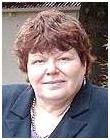
People Behind the Research – Liz Gordon

24 January 2013 By Community Research Admin Leave a Comment

What sort of a society are we that locks up its indigenous group in such high – and growing – numbers?’

We talk to Liz Gordon of Pūkeko Research about her recent research on children of prisoners and how a Member of Parliament became a community researcher.

Tell us something about you.
I run a research company called Pūkeko Research Ltd.  It is a company with character and values.  Its motto is ‘making a difference’.

What’s your favourite piece of community research?
This has to be our study of the children of prisoners, undertaken by Network Research for Pillars between 2009 and 2011.  With multiple reports, and significant engagement with government agencies, we see this as research that has the potential to bring about change for the children.

What’s on your mind at the moment?
The outrageously high rates of Māori imprisonment.  What sort of a society are we that locks up its indigenous group in such high – and growing – numbers.  There must be a better way!

What research has caught your eye recently?
Massey University’s analysis of charter schools and whether their introduction would improve schooling in New Zealand. It was a really thorough report, and fascinating, but is, of course, likely to be ignored.  Its main finding was that, in terms of the small number of charter schools that were successful (17%), most got their success either by cherry-picking the best and the brightest, or by high attrition rates – getting rid of non-achievers.  It was depressing, because we are going to have a charter school trial in New Zealand whether we want one or not.

Why is evaluation of community projects/programmes so important?
People invest a lot into projects, but unfortunately sometimes the amount invested is not reflected in the outcomes.  In other words, a project can feel good but not make a difference.  Evaluation by an external agency can discover what is of value and what is not.  It can also tell an agency what changes are needed.  Finally, it can assess financial value for money spent.

What has been the most significant moment in your career?
Crikey, that’s a big question. I have done lots of things. In 1979 I started university as an adult student, despite have crippling phobias. I also volunteered at the newly formed women’s refuge.  Then getting my degree, then more degrees, my Doctorate. Oh yes, Motherhood and later Grandmotherhood. I loved working at the university, and still meet people I taught…Parliament – a fascinating six years. I met a huge range of people, from inspiring to terrifying! My darling (second) husband, the wonderful Garth. And now my fabulous research career and heaps of voluntary and pro bono work.  Did I also mention that post-Parliament I went back to uni and did a law degree? That’s most of my significant bits, I think…

Liz’s papers recently added to the Community Research kete: Causes of and Solutions to Inter-generational Crime, Working with the Families and Children of Prisoners in Aotearoa and Invisible Children – A Study of the Children of Prisoners.


Filed Under: News Tagged With: News

Leave a Reply Cancel reply

Your email address will not be published. Required fields are marked *

Follow us on Facebook

Sign-up for enews

First name:
Last name:
Email:
  • Who Are We:
  • About Community Research
  • Our People
  • Supporters
  • Researcher Stories
  • About Community Research
  • What We Do:
  • Kuhu mai
  • Special Collections
  • Events
  • How Can We Help:
  • Find a Researcher
  • List yourself in the Researchers Directory
  • Find Research:
  • Latest
  • RSS Feeds
  • News
  • Contribute:
  • Before You Upload
  • Supporters
  • Support Us
  • Create a Special Collection
  • About Community Research
    • Our People
    • Researcher Stories
    • Supporters
    • What Difference Does Community Research Make?
    • Membership
    • Kuhu mai
  • Resources
    • Code of Practice
    • Directory of Researchers
    • What Works
    • Awards and Seminars
      • Te Anga Mua Seminar 2012
      • New and Emerging Researchers Awards
    • List yourself in the Researchers Directory
    • Create a Collection
  • Research
    • Browse All Research
    • Share Research
    • Featured Collections
      • RBA™ Webinars and Resources
      • The Importance of New Zealand Non-Profits
      • Learning from Christchurch
      • Collective Impact for NGOs and iwi/Māori organisations.
      • ANZTSR Third Sector Research 2014
      • The Social and Economic Impact of Sports
    • RSS Feeds
  • Webinars
    • Past Webinars
      • Treaty Voyages – How’s Your Organisation Faring?
      • Co-design and Community Development: Kōrero and Insights from Māori Co-designers
      • Great data collection, and making sense of your data with RBA™
      • The Community Sector & Collection of Client Level Data
      • Organisational Outcomes and Meaningful Measures
      • RBA™ – The art of ‘Mapping & Gapping’, population, systems & services
      • Strengthening Whānau Aspirations
      • Ngā Hua a Tāne Rore: The Benefits of Kapa Haka
      • Outcomes Plus: Knowing and Showing the ‘added Value’ of  Community
      • Complex Projects, Short Stories
      • A Vision for Indigenous Evaluation
      • Counting What Matters: The size and significance of the New Zealand not-for-profit sector
      • How to amaze your funders with watertight evidence
      • Putting learning into practice webinar
      • Collective Impact: Getting to shared measurement webinar – 18 February 2014
    • New to YouTube live?
  • Whānau Ora Research
  • What Works
  • Contact Us