• About
    • Our People
    • Researcher Stories
    • Supporters
    • What Difference Does Community Research Make?
    • Membership
    • Kuhu mai
  • Resources
    • News
    • Code of Practice
    • Directory of Researchers
    • Awards and Seminars
      • Te Auaha Pitomata New and Emerging Community Researcher Awards 2019
        • Entry Criteria
        • Award Recipients
        • Awards Presentation Event
      • Archives
        • Te Anga Mua Seminar 2012
    • What Works
    • List yourself in the Researchers Directory
    • Create a Collection
  • Research
    • Browse All Research
    • Share Research
    • Featured Collections
      • The Importance of New Zealand Non-Profits
      • Learning from Christchurch
      • Collective Impact for NGOs and iwi/Māori organisations.
      • ANZTSR Third Sector Research 2014
      • The Social and Economic Impact of Sports
      • RBA™ Webinars and Resources
    • RSS Feeds
  • Webinars
    • Past Webinars
      • Māori, Stats and Data Sovereignty – The Impacts of the 2018 Census for communities, wellbeing and funding
      • Valuing Our World Views: Indigenous Community at the Centre
      • Housing Research: Challenges and Insights for Communities in Aotearoa – the National Science Challenge: Maori Community Research. What difference does this make?
      • Webinar: Taxes, Treaty Settlements and Māori Health
      • Webinar: Getting to Outcomes in the Real World – Tools for Change Webinar No. 2.
      • Webinar: Appreciative Inquiry – A Strengths-based Approach to Planning and Evaluating in Communities
      • Webinar: Indigenous Evaluation – Using Traditional Knowledge to Guide Evaluation Theory and Practice
      • Webinar: Better Engagement and Better Outcomes with PCOMS.
      • Tools for Change: Planning Alternative Tomorrows with Hope (PATH)
      • Research Opportunities for Community Organisations
      • Māori-led Development. What’s working for whānau, hapū and iwi?
      • Treaty Voyages – How’s Your Organisation Faring?
      • Co-design and Community Development: Kōrero and Insights from Māori Co-designers
      • Great data collection, and making sense of your data with RBA™
      • The Community Sector & Collection of Client Level Data
      • Organisational Outcomes and Meaningful Measures
      • RBA™ – The art of ‘Mapping & Gapping’, population, systems & services
      • Strengthening Whānau Aspirations
      • Ngā Hua a Tāne Rore: The Benefits of Kapa Haka
      • Outcomes Plus: Knowing and Showing the ‘added Value’ of  Community
      • Complex Projects, Short Stories
      • A Vision for Indigenous Evaluation
      • Counting What Matters: The size and significance of the New Zealand not-for-profit sector
      • How to amaze your funders with watertight evidence
      • Putting learning into practice webinar
      • Collective Impact: Getting to shared measurement webinar – 18 February 2014
    • Future Webinars
      • White Fragility: Why It’s So Hard for White People to Talk About Racism
    • New to YouTube live?
  • Whānau Ora Research
  • What Works
  • Contact
  • Donate

Community Research

The place to find good community research and researchers in New Zealand

Ko te hōkai nuku
Ko te hōkai rangi
Ko te hōkai a tō tupuna a Tānenuiarangi

Our Whakataukī Explained Here
  • Home
  • Share Research
  • Find Researcher
  • Browse Research
  • Webinars
    • Past Webinars
    • Future Webinars
      • White Fragility: Why It’s So Hard for White People to Talk About Racism
    • Youtube Live
    • Webinar FAQS
  • Facebook
  • Twitter
  • YouTube
You are here: Home / Events / Putting learning into practice webinar, 18 August 2014

Putting learning into practice webinar, 18 August 2014

Community Research’s second webinar showcased how a virtuous circle is created when evaluation is built into programme delivery.

The focus was on insights gained from the Māori and Pacific Education Initiative being led by the ASB Community Trust. The session was hosted jointly with the Families Commission/ Social Policy Research and Evaluation Unit (SuPERU).

Presentations were made by:

  • Jennifer Gill, CEO, ASB Community Trust: Jennifer’s presentation (PDF 480KB)
  • Kate McKegg, Evaluator, Kinnect Group: Kate’s presentation (PDF 2.8MB)
  • Sita Selupe, CEO, Rise UP Trust: Sita’s presentation (PDF 1.9MB)

Webinar details

The presenters addressed how evidence is turned into action within the Māori and Pacific Initiative, the layers of evaluation (including value for money), sourcing evidence and structuring this with Maori and Pacific groups in mind.

Rise UP have worked hard to value and embed strong evaluation practises in their organisation. This capacity building support from Kinnect Group has enabled them to ‘know and show’ outcomes effectively and develop successful sustainability plans.

About the presenters

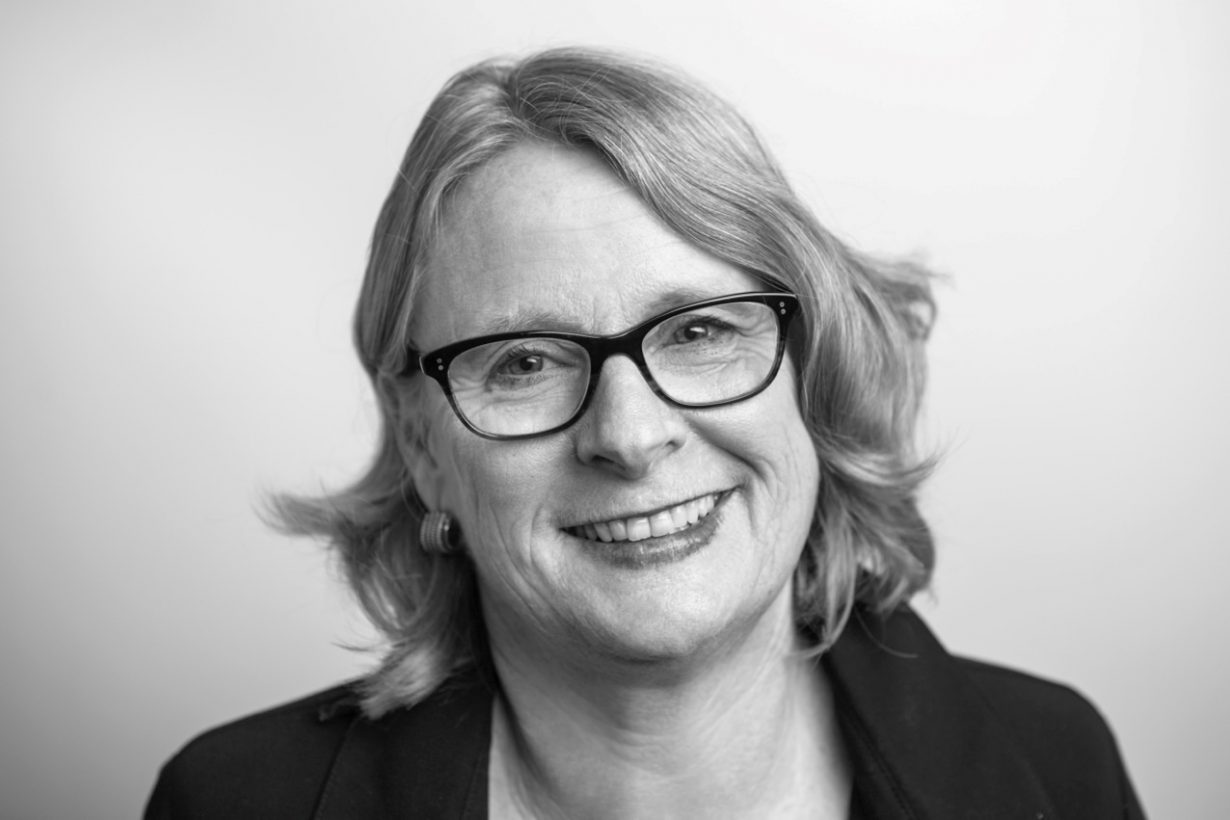
Jenny Gill

Jenny Gill profile photoIn 2004 Jennifer became CEO of ASB Community Trust after 10 years as Executive Director of Fulbright NZ. Her career in philanthropy began in 1985 when Sir Roy McKenzie appointed her as the Executive Officer of his personal foundation, the Roy McKenzie Foundation. She has been a Trustee and Chair of the J R McKenzie Trust and is currently a Trustee of two family grant making trusts. She was a founding member of the board of the Wellington Regional Community Foundation, the Funding Information Service and Philanthropy NZ. Jenny recently retired from the board of Philanthropy New Zealand after twenty years’ service. Recently Jenny has been a member of the Asia Pacific Philanthropy Consortium as well a participant in international meetings on current issues in philanthropy hosted by the Rockefeller and Volkswagen Foundations. Jenny has contributed to the growing literature on philanthropy in Australasia and is frequently asked to speak on philanthropy.
Kate McKegg

Kate Mckegg profile photoKate McKegg is Pakeha, descended from Irish, Scottish and English ancestors. She lives in Hamilton, New Zealand with her husband Richard and youngest son Patrick.

Kate has worked in the fields of evaluation, evaluation capacity building, research, policy and public sector management since the late 1980s. In 2002 she started The Knowledge Institute Ltd, after a decade of working in policy and evaluation in the government sector. Since 2007, the Knowledge Institute has been a member of the Kinnect Group, which combines the strengths of four experienced evaluators.

Kate has specialist skills in developmental evaluation, strategy, policy, and programme evaluation, evaluation capacity building, research, evaluation training and facilitation. She has worked alongside and with government, non-government, philanthropic and community organisations on a diverse range of projects and initiatives across many different sectors.

Kate is a founding member, and the current Convenor of the Aotearoa New Zealand Evaluation Association (ANZEA). She has a deep and long lasting commitment to the development of the evaluation field and profession because she believes that evaluation, and evaluative thinking and practice can contribute to the betterment of our society.
Sita Selupe

Profile photo: Sita Selupe, Rise UP Trust CEOSita Selupe is of Tongan and Niuean descent, married with four children in Weymouth, South Auckland.

Sita is a Primary trained teacher, CEO and Co-founder of The Rise UP Trust established in 2006 as a Saturday morning home school. In 2009 Rise UP Trust were recipients of the ASBCT Maori Pacific Education initiative gaining a five year grant to improve education achievement for Maori and Pacific with the ‘Building Learning Communities’ project. Rise UP Trust have worked with over 200 whanau across South Auckland to set their children up for success in learning.

In 2013 Rise UP Trust were selected to open the first Primary Partnership School (Kura Hauroa) in New Zealand. The Rise UP Academy was established on 7 February 2014 in Mangere East to provide world class education for those learners who have not been served well.

Sita has expertise in non-profit management including evaluation, project management, innovation, change management, sustainability, community collaboration and volunteer management. Her teaching experience as an Inquiry Learning specialist has accelerated learning for all her students.


Signup for E-news

Get the latest news updates sent directly to your email.

Signup to our newsletter

  • Who Are We:
  • About Community Research
  • Our People
  • Supporters
  • Researcher Stories
  • About Community Research
  • What We Do:
  • Kuhu mai
  • Special Collections
  • Events
  • How Can We Help:
  • Find a Researcher
  • List yourself in the Researchers Directory
  • Find Research:
  • Latest
  • RSS Feeds
  • News
  • Contribute:
  • Before You Upload
  • Supporters
  • Support Us
  • Create a Special Collection
  • About
    • Our People
    • Researcher Stories
    • Supporters
    • What Difference Does Community Research Make?
    • Membership
    • Kuhu mai
  • Resources
    • News
    • Code of Practice
    • Directory of Researchers
    • Awards and Seminars
      • Te Auaha Pitomata New and Emerging Community Researcher Awards 2019
        • Entry Criteria
        • Award Recipients
        • Awards Presentation Event
      • Archives
        • Te Anga Mua Seminar 2012
    • What Works
    • List yourself in the Researchers Directory
    • Create a Collection
  • Research
    • Browse All Research
    • Share Research
    • Featured Collections
      • The Importance of New Zealand Non-Profits
      • Learning from Christchurch
      • Collective Impact for NGOs and iwi/Māori organisations.
      • ANZTSR Third Sector Research 2014
      • The Social and Economic Impact of Sports
      • RBA™ Webinars and Resources
    • RSS Feeds
  • Webinars
    • Past Webinars
      • Māori, Stats and Data Sovereignty – The Impacts of the 2018 Census for communities, wellbeing and funding
      • Valuing Our World Views: Indigenous Community at the Centre
      • Housing Research: Challenges and Insights for Communities in Aotearoa – the National Science Challenge: Maori Community Research. What difference does this make?
      • Webinar: Taxes, Treaty Settlements and Māori Health
      • Webinar: Getting to Outcomes in the Real World – Tools for Change Webinar No. 2.
      • Webinar: Appreciative Inquiry – A Strengths-based Approach to Planning and Evaluating in Communities
      • Webinar: Indigenous Evaluation – Using Traditional Knowledge to Guide Evaluation Theory and Practice
      • Webinar: Better Engagement and Better Outcomes with PCOMS.
      • Tools for Change: Planning Alternative Tomorrows with Hope (PATH)
      • Research Opportunities for Community Organisations
      • Māori-led Development. What’s working for whānau, hapū and iwi?
      • Treaty Voyages – How’s Your Organisation Faring?
      • Co-design and Community Development: Kōrero and Insights from Māori Co-designers
      • Great data collection, and making sense of your data with RBA™
      • The Community Sector & Collection of Client Level Data
      • Organisational Outcomes and Meaningful Measures
      • RBA™ – The art of ‘Mapping & Gapping’, population, systems & services
      • Strengthening Whānau Aspirations
      • Ngā Hua a Tāne Rore: The Benefits of Kapa Haka
      • Outcomes Plus: Knowing and Showing the ‘added Value’ of  Community
      • Complex Projects, Short Stories
      • A Vision for Indigenous Evaluation
      • Counting What Matters: The size and significance of the New Zealand not-for-profit sector
      • How to amaze your funders with watertight evidence
      • Putting learning into practice webinar
      • Collective Impact: Getting to shared measurement webinar – 18 February 2014
    • Future Webinars
      • White Fragility: Why It’s So Hard for White People to Talk About Racism
    • New to YouTube live?
  • Whānau Ora Research
  • What Works
  • Contact
  • Donate